
Gasoline blending brings selected fuel components together to achieve the required finished-fuel properties. A well-planned project starts with a clear product specification, reliable feedstock information, and a quality-control plan.
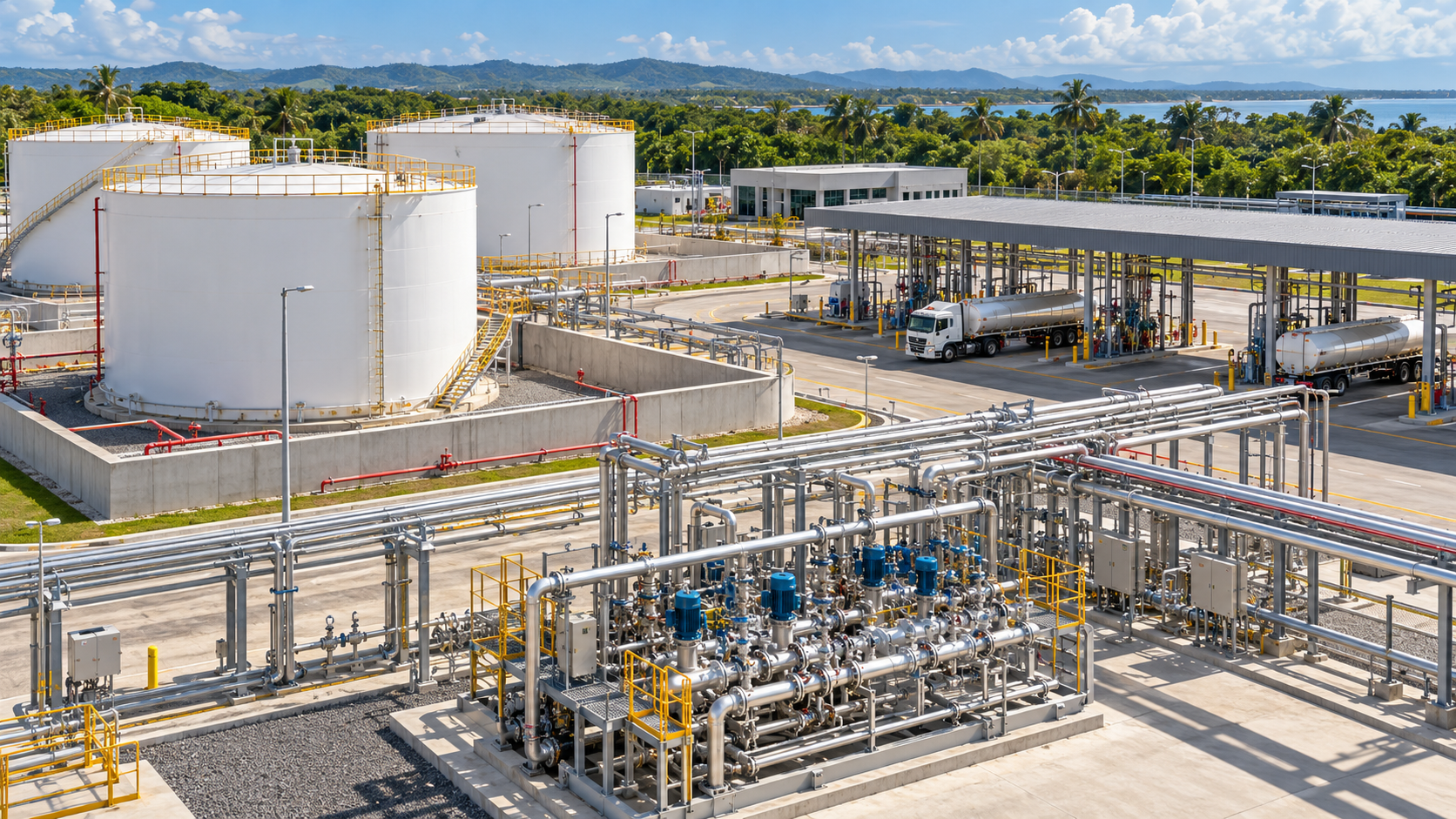
What is gasoline blending?
Finished gasoline is a blend of components with different characteristics. Refinery blendstocks may include reformate, alkylate, and other gasoline-range streams. Depending on the market and approved fuel specification, oxygenates such as ethanol may also be included. The combination must be assessed as a finished fuel, rather than judged by any single component.
Key quality considerations
- Octane rating: Defines the fuel’s resistance to engine knock and the intended gasoline grade.
- Volatility: Vapor pressure and evaporation characteristics must suit the target fuel specification and operating conditions.
- Composition: Sulfur, benzene, and oxygenate content are among the properties considered in fuel-quality requirements.
- Verification: Sampling and laboratory testing confirm whether the finished blend meets its agreed specification.
Planning a blending project
Start by defining the destination market, required gasoline grade, and applicable fuel specification. Next, review available blendstocks and their laboratory reports. These details help establish the basis for discussing capacity, storage, transfer, blending controls, and product testing.
The project scope may involve batch blending or continuous in-line blending. Equipment selection and control requirements depend on the feedstocks, production target, existing facilities, and site conditions. Fuel handling, fire protection, and environmental requirements should form part of the engineering review.
Tell us about your requirements
Contact GetecCorridor to discuss your gasoline blending project. To help us understand your requirements, please share:
- Project location and destination market.
- Target gasoline grade and finished-product specification.
- Available blendstocks and recent laboratory reports.
- Required throughput or batch size.
- Existing storage and handling facilities, and your expected project schedule.
Technical background: U.S. Energy Information Administration — Gasoline explained and U.S. Environmental Protection Agency — Gasoline standards. Requirements vary by destination market.